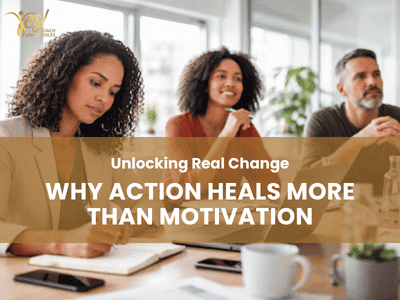
Why Action Heals More Than Motivation: Unlocking Real Change
Introducing our New Deep Sleep Reset System in Mighty Network
✨ We are officially launching Our Brand New Mighty Networks Community!
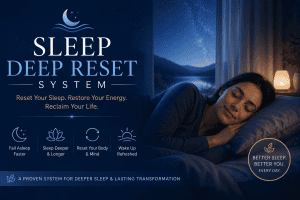
You deserve restful sleep and restored energy. Come reset with us inside our new Mighty Network Space.
Reset your sleep with support, structure, and exclusive resources — join our New Mighty Network Space now!
No more tired mornings. No more wired nights. Let’s fix your sleep together! Join the Challenge inside the group and have the benefits of more resources to support your deep sleep.
———————————————————————————————————————————————————————————————
You don’t need to wait to feel fired up to make real change. When you take a small step, your brain rewards the movement and builds the drive you thought you lacked. Action creates momentum, rewires your habits, and heals faster than waiting for motivation to appear.
Start with one simple task and notice how your confidence grows. That single choice lowers resistance, triggers rewarding brain chemistry, and makes the next step easier—so progress becomes steady instead of stalled.
 Credit: Canva Images
Use practical moves that you can repeat, not pep talks that fade. Small wins stack into lasting change, and doing something now will do more for you than hoping you’ll feel ready later.
Key Takeaways
- Small steps spark internal drive and make follow-up actions easier.
- Repeating simple behaviors builds lasting habits and steady progress.
- Focus on doable tasks now to create momentum instead of waiting for motivation.
“All roads lead to failure until you commit to making a change from within. And that commitment doesn’t come with a quick fix.”
Lisa Charles – Commit. Do. Live.
The Limitations Of Motivation
Motivation feels strong but often fades. You need systems, plans, and skills to turn a desire into steady action and real change.
 Credit: Canva Images
Why Motivation Alone Is Unreliable
Motivation is an emotional spark. It raises energy and focus, but it rarely lasts through setbacks or boredom.
You may feel driven one morning and distracted the next. Brain chemistry shifts, daily stress, or small wins and losses change how motivated you feel. Relying on that feeling means your progress will depend on mood and circumstance rather than a repeatable process.
Build simple routines, checklists, and small habits so you keep moving when your motivation dips. Break big tasks into specific steps and set short deadlines. These choices make action repeatable even when you don’t feel inspired.
Motivation Versus Intention
Intention is what you plan to do; motivation is why you want to do it. You can strongly want a result and still never make a plan to achieve it.
When you set an intention, write down when and where you will act. Use action plans that answer who, what, when, and how. That turns vague desires into concrete steps you can follow.
Measure tiny wins and adjust plans based on what works. Intention plus planning predicts behavior far better than wanting something alone. This reduces the gap between saying you will change and actually changing.
The Motivation Trap: Waiting To Act
Waiting for motivation creates a stall. You might keep delaying until a “perfect” moment arrives — and that moment rarely comes.
You lose time, practice, and feedback while you wait. Start with a 5–10 minute action you can finish today. Short, consistent efforts give you information about obstacles and quick wins that rebuild confidence.
Set specific triggers (time, place, or cue) to prompt action automatically. Use coping plans for likely setbacks so one slip won’t stop you. Acting first trains your brain to value progress over feelings, which makes future action easier.
How Action Sparks Transformation
Action changes your nervous system, builds new habits, and proves what you can do. Small steps reshape your day-to-day choices and lead to larger shifts in thinking, feeling, and behavior.
 Credit: Canva Images
Taking The First Step
You don’t need perfect clarity to start; you need one clear, doable task. Choose a single action you can finish in 10–20 minutes. Examples: write a one-paragraph plan, make one phone call, or do a three-minute breathing exercise. Completing that task lowers anxiety and gives you immediate evidence you can act.
Use a simple checklist to guide you:
- Pick a specific task.
- Set a short timer.
- Remove one obvious barrier (turn off notifications, set out materials).
- Do the task, no edits.
That first success changes how you view the problem. You feel less stuck and more capable. That shift increases the chance you will take another action soon.
How Small Acts Build Momentum
Small acts stack. When you repeat a short, concrete action each day, your brain links the action to a feeling of progress. This creates momentum: moving from one tiny win to the next becomes easier.
Track these small wins in a visible place like a calendar or a habit app. Seeing a chain of completed days strengthens your commitment. Combine a tiny action with an existing routine (for example, stretch for two minutes after brushing your teeth). Over weeks, short actions turn into habits that require less willpower.
Momentum also reduces decision fatigue. When a behavior becomes routine, you stop debating and start doing. That frees mental energy for bigger changes.
Action As The Path To Healing
Action repairs more than plans. In trauma or chronic stress, your body and mind hold patterns that talking alone can’t shift. Doing specific, regulated actions—grounding exercises, paced movement, or brief exposures to avoided situations—teaches your nervous system new responses.
Choose actions linked to safety: controlled breathing, short paced walks, or writing one factual sentence about an event. Repeat them until your body learns a different response. Pair actions with support when needed, like a therapist or trusted friend.
Concrete actions create evidence that change is possible. Each repetition rewrites your expectation of stress and increases your ability to face challenges without getting overwhelmed.
The Science Behind Action And Motivation
Action often kick-starts brain chemistry and reduces stuck thinking. Small steps change your feelings, free your attention, and let reward systems respond to real outcomes.
 Credit: Canva Images
How Action Generates Motivation
When you act, your brain registers progress. That triggers dopamine spikes tied to prediction error — the gap between what you expect and what actually happens. Small wins create measurable prediction errors and keep dopamine flowing.
You also lower friction. Doing even a tiny task reduces cognitive load and decision fatigue. This frees working memory in the prefrontal cortex so you can hold goals and plan the next step.
Action gives you feedback. Clear feedback lets you adjust effort and builds self-efficacy. As you succeed, your confidence rises and you persist longer. Simple routines and repeatable steps make these effects reliable.
Brain Systems Linking Action And Emotion
The mesolimbic pathway, especially the ventral tegmental area (VTA) and nucleus accumbens, converts anticipation into the drive to act. When this circuit fires, you feel “wanting” without necessarily feeling full pleasure. That wanting pushes you into more action. Learn more about how dopamine links reward and effort in this overview of motivation neuroscience (https://pmc.ncbi.nlm.nih.gov/articles/PMC4864984/).
The amygdala and prefrontal cortex set the context for action. If the amygdala signals threat, it suppresses reward circuits and stalls behavior. If your prefrontal cortex can hold a clear plan, it directs sustained effort and resists distraction.
Together, these systems explain why acting reduces fear, restores reward sensitivity, and builds momentum you can repeat.
Building Habits That Heal
Small, repeated actions change how you feel and what you do. Focus on simple steps you can do every day and tools that make those steps easy to repeat.
 Credit: Canva Images
The Role Of Consistency
Consistency means doing the same small action in the same context until it becomes automatic. Pick a clear cue (time, place, or preceding action) so your brain links that cue to the new behavior. For example, place your running shoes by the door and tie them right after brushing your teeth. That cue makes it easier to take action without arguing with yourself.
Track your behavior for a few weeks. Use a simple checklist or habit app to record each time you complete the action. Seeing a streak helps you keep going and makes the behavior feel real.
Aim for tiny wins first. Start with one minute of practice or one small task. Tiny actions reduce resistance and build momentum. Over time, increase the step size so the habit grows without snapping back.
Techniques For Sustaining Change
Use rewards and friction to steer you. Attach a small reward to the action—like a favorite song after a workout—to reinforce the habit. Add friction to habits you want to stop, such as keeping your phone in another room to reduce scrolling.
Make alternatives obvious and easier. If you want to write more, keep a notebook on your desk and set a 10-minute timer. If you want to eat healthier, prep a ready-to-eat salad in the fridge.
Change your environment to support action. Remove cues for old behaviors and add cues for new ones. If possible, pair a new habit with one you already do. This “habit stacking” uses existing routines so you take action more naturally.
Use social and accountability tools. Tell one person your plan, join a small group, or check in weekly. External checks push you to act when motivation is low.
Practical Strategies To Prioritize Action
You will learn simple steps to make tasks doable and to build momentum. These steps help you start fast, keep going, and notice progress.
Breaking Tasks Into Manageable Steps
Pick one outcome you want and list the exact first actions. For example, instead of “write report,” write: 1) open the document, 2) type the title, 3) write one paragraph. Small steps reduce friction and make it easier to take action right now.
Use the Two-Minute Rule: if an action takes two minutes or less, do it immediately. For bigger tasks, set a 10–15 minute timer and commit to work only for that block. Many people continue after the timer ends.
Write steps in order and mark the blocking items first. Put the hardest or most unclear step at the top so you address it when your energy is highest. Keep your list visible—on a sticky note, phone widget, or a checklist app—to trigger action repeatedly.
Celebrating Small Wins
Track tiny completions so you can see forward motion. After each step, mark it done and take a 30–60 second pause to notice progress. This creates a reward loop that makes you more likely to take action again.
Choose clear, measurable wins: “wrote 200 words,” “sent one email,” or “walked 10 minutes.” Avoid vague praise. Record wins in a simple log or habit tracker so you can review streaks and patterns.
Scale rewards to fit the task. For small steps, give yourself a brief break or a checkmark. For larger milestones, plan a meaningful treat. These signals reinforce the habit of action and build real momentum over time.
Frequently Asked Questions
These answers give clear, practical steps you can use right away. They focus on small actions, simple habits, and ways to change your setup so you act more often.
Why does taking small steps often create more progress than waiting to feel motivated?
Small steps lower the mental barrier to starting. Doing one tiny task — like writing one sentence or setting a timer for five minutes — makes the job real and reduces dread.
When you act, your brain rewards progress with dopamine. That reward makes it easier to keep going, so momentum grows from small wins rather than from waiting for a mood to change.
How does action change your mindset and emotional state over time?
Action gives you evidence that you can make change. Each completed task builds confidence and shifts your identity from “I want to” to “I do.”
Repeated action reduces fear and builds calm. Over days and weeks, the habit of starting rewires how you react to hard tasks, making them feel normal instead of frightening.
What is the best way to start when you feel unmotivated or overwhelmed?
Pick one very small entry point. For example, put on your workout shoes, open a blank document, or write a single bullet point. Commit to just five minutes.
Make the first step so tiny you can’t say no. If you stop after five minutes, you still win. Most times you’ll continue because the first action lowers resistance.
How can you build consistency when motivation is unreliable?
Make your actions non-negotiable and schedule them. Block exact times on your calendar and treat them like appointments you must keep.
Limit goals to one to three priorities. Fewer targets reduce decision fatigue. Use simple rules like “write 300 words every morning” instead of vague goals.
What are practical strategies to overcome procrastination and take action immediately?
Use the 5-minute rule: start for five minutes and often continue. Tackle your ugliest task first thing using the “eat the frog” idea. Break big tasks into tiny, clear steps.
Add accountability. Tell a friend or post a short daily check-in. Make the first step public and you’ll feel a stronger push to follow through.
How do you design an environment that makes taking action easier every day?
Remove common distractions. Put your phone in another room, close extra tabs, or use a basic website blocker during work blocks.
Create triggers and tools that simplify the start. Keep a notebook by your bed, pack your gym bag the night before, or set a standing alarm that says “start writing.” Small changes to your space cut the friction to acting.
What if the very thing stalling your business…
is the story you haven’t fully owned yet?
We explored how hesitation, lack of clarity, and misalignment can quietly limit your impact. One of the most overlooked risks? Not fully stepping into your voice, your message, and your lived experience as a leader.
That’s where “Story to Spine” comes in.

This coach-led experience is designed to help you extract the truth from your life story and transform it into a mission-led book and keynote, without staring at a blank page.
Because this isn’t just about writing. It’s about unlocking clarity, confidence, and direction so you can lead, speak, and grow your business from a place of deep alignment.
Your story isn’t a side note; it’s your leadership advantage.
Your story is already the spine. Let’s find it.
If you’re ready to move beyond the risks and lead with clarity, you can learn more and apply for the Premier Program Pilot this April by filling out the form below.
Ready to invest in yourself and finally take control of your health, mindset, and daily habits?
My collection of eBooks is designed to guide you step-by-step toward a stronger, more confident, and energized version of YOU. Whether you’re starting fresh or leveling up your routine, these resources are practical, empowering, and created to fit real life—not perfection.
Don’t just wish for change, take action today. Explore the full collection and find the guide that speaks to your goals.
👉 Start your transformation here: https://yescoachlisa.com/product-category/e-books/
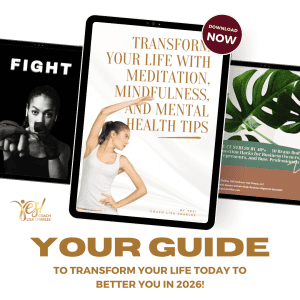
Your next chapter starts now. 💛
FOLLOW US ON:
Facebook
Pinterest
Instagram
LinkedIn

Plugin designed by RofiTech