
What Does It Mean to Commit to Your Wellness? A Clear Guide
Introducing our New Deep Sleep Reset System in Mighty Network
✨ We are officially launching Our Brand New Mighty Networks Community!

You deserve restful sleep and restored energy. Come reset with us inside our new Mighty Network Space.
Reset your sleep with support, structure, and exclusive resources — join our New Mighty Network Space now!
No more tired mornings. No more wired nights. Let’s fix your sleep together! Join the Challenge inside the group and have the benefits of more resources to support your deep sleep.
———————————————————————————————————————————————————————————————
Committing to your wellness means choosing small, steady actions that support your body, mind, and life each day. It means setting clear, realistic goals, making them part of your routine, and adjusting when life changes so you keep moving forward. We answer that commitment by turning intentions into simple habits you can keep over time.
You will feel the shift when you stop treating wellness as a one-time fix and make it a steady practice across work, relationships, rest, and play. We will show practical steps to set goals, build habits, and use tools that keep you accountable without adding stress.
 Credit: Deposit Photos
Key Takeaways
- Define wellness as ongoing daily choices that support multiple parts of life.
- Turn goals into small, repeatable habits that fit your routine.
- Use simple tools and flexibility to stay committed long term.
“This state of grace is synonymous with peace, and peace will usher in an internal and external state of wellness that can be life-altering.”
Lisa Charles – Commit. Do. Live.
Defining Commitment to Wellness
Commitment to wellness means we set clear actions, measure progress, and adjust when needed. It ties daily habits to long-term well-being and asks us to notice what works and what does not.
 Credit: Deposit Photos
Wellness as a Dynamic Process
We treat wellness as ongoing change, not a fixed goal. Our bodies, minds, and circumstances shift, so our plan must adapt. For example, a workout routine that fits our schedule now may not work after a job change, so we change frequency or type of exercise.
We balance physical, mental, and social needs. That can mean scheduling sleep, planning simple meals, and keeping one weekly check-in with a friend. Small, steady adjustments keep our energy and focus steady.
We track simple measures: hours slept, mood notes, or weekly activity minutes. These snapshots show trends and tell us when to change habits.
Commitment Versus Motivation
Motivation gives us a start; commitment keeps us going. We rely on routines and rules when motivation fades. For instance, we decide to walk after lunch three times a week instead of waiting to “feel like it.”
We build systems that remove choice friction. Packing workout clothes the night before or prepping two healthy lunches reduces daily decisions and helps us follow through.
We use accountability tools like habit trackers or check-ins with a friend. These create dependable cues and make our goals less about fleeting feeling and more about steady action.
The Role of Self-Reflection
We use self-reflection to test if our plan matches our values and needs. Regular check-ins help us ask clear questions: Is this habit improving sleep? Do we feel less stressed? Are we enjoying this change?
We keep reflection simple and consistent. A short weekly note—what worked, what didn’t, one change for next week—reveals patterns over time.
We treat reflection as data, not judgment. That lets us change course without shame. When we notice a habit isn’t helping, we tweak it or replace it, keeping our wellness journey practical and focused.
Setting and Achieving Wellness Goals
We pick clear, measurable targets tied to what matters most to us. Then we set simple ways to track progress and plan for common setbacks that could derail our behavior change.
 Credit: Deposit Photos
Establishing Specific Goals
We turn broad wishes into exact actions. Instead of “get healthier,” we choose goals like “walk 30 minutes five days a week” or “eat two servings of vegetables at lunch daily.” Specific goals answer who, what, when, where, and how.
Use the SMART framework in plain terms:
- Specific: name the action (walk, cook, sleep).
- Measurable: set numbers or frequency (30 minutes, 5 days).
- Achievable: match the goal to our current routine.
- Relevant: link the goal to a value (energy for family time).
- Time-bound: give a deadline (start this week; 3-month check).
Write goals down and place them where we see them daily. Share one or two goals with a friend for accountability.
Tracking Progress Effectively
We pick one simple way to measure each goal and use it consistently. A step counter, a meal photo log, or a sleep app gives facts we can review.
Set a short tracking routine:
- Record progress at the same time each day.
- Use one tool—paper chart, phone app, or calendar.
- Review weekly to spot trends and adjust.
Celebrate measurable wins like “three weeks of 30-minute walks.” If data shows we miss evenings, move walks to mornings. Tracking keeps our behavior change visible and helps us tweak plans fast.
Overcoming Common Barriers
We plan for obstacles before they happen. Common barriers include time, low motivation, and unexpected events like illness or travel.
Use these strategies:
- Time: break goals into 10–15 minute bursts or combine with chores.
- Motivation: pair actions with immediate rewards, like a favorite podcast.
- Setbacks: build a “restart plan” (resume after one missed week).
- Environment: prepare cues—pack shoes by the door or pre-chop veggies.
We test small changes, learn from failures, and adjust goals so they stay realistic. That keeps our behavior change steady and sustainable.
Building Sustainable Wellness Habits
We focus on small, repeatable actions that fit our day and build over time. Practical choices around movement, sleep, and eating make wellness easier to keep.
 Credit: Deposit Photos
Daily Habits for Wellness
We pick a few simple daily habits and track them. Examples we can start today: walk 20 minutes after lunch, eat one extra serving of vegetables, sleep by a set time, and practice 5 minutes of deep breathing before bed.
Use a short checklist to stay consistent:
- Morning: drink a glass of water, stretch 5 minutes.
- Midday: 20-minute walk, choose a vegetable at lunch.
- Evening: wind-down routine, avoid screens 30 minutes before bed.
We choose tools that fit us: a phone reminder, a paper habit tracker, or a calendar block. We focus on habits backed by research, like regular movement, consistent sleep, and mindful eating, because they show reliable health benefits when done consistently. Keep each habit small enough to do even on busy days.
Gradual Behavior Change
We change one habit at a time and use tiny steps to avoid burnout. For example, increase weekly cardio by 5 minutes each week or add half a cup more vegetables every three days.
We plan specific cues and rewards. A cue might be “after brushing teeth,” and a reward could be a short walk or a favorite song. We measure progress with simple data: minutes moved, servings eaten, or nights with 7–8 hours of sleep.
We accept setbacks as data, not failure. When a habit slips, we adjust the cue, lower the goal, or change the time of day. Over weeks, tiny, evidence-based changes become routine and sustainable.
The Eight Dimensions of Wellness
We take care of our bodies, minds, relationships, and values in practical ways that improve daily life. Small, consistent actions across key areas help us stay balanced and handle stress.
 Credit: Deposit Photos
Physical Wellness
Physical wellness means moving, eating, and resting so our bodies work well. We aim for regular activity—about 20 to 30 minutes most days—mixing cardio, strength, and flexibility. This helps energy, sleep, and mood.
Nutrition matters. We choose whole foods, keep portion sizes reasonable, and drink water throughout the day. Meal planning for a few lunches a week reduces impulse choices and saves money.
Sleep is nonnegotiable. We set consistent bedtimes, wind down 30 minutes before sleep, and aim for 7–9 hours. We also schedule routine medical and dental checks and follow recommended screenings.
Simple tracking helps. We log activity, meals, or sleep for one week to spot patterns. Then we pick one small change—like an extra 10-minute walk—to maintain for a month.
Emotional Wellness
Emotional wellness means noticing our feelings and using healthy ways to cope. We check in with ourselves daily—name one emotion and what caused it. This helps us respond instead of reacting.
We use practical tools: journaling three times a week, practicing deep breathing for two minutes during stress, and keeping a mood chart. These habits lower anxiety and help us spot when we need extra help.
We build emotional support by talking to trusted people and asking for help when needed. Therapy or counseling is a valid option when feelings affect sleep, work, or relationships.
We also practice self-compassion. We replace harsh self-talk with specific, kind statements about what we tried and what we learned. This reduces shame and helps us try again.
Social Wellness
Social wellness means keeping connections that support our health. We choose people who respect us and add value to our lives. Quality beats quantity.
We set small social goals: call one friend per week, join one group this month, or invite a neighbor for coffee. These steps rebuild connection without overwhelm.
We practice active listening—ask one open question and reflect what we heard. That builds trust. We also set boundaries, saying no when we need rest or space.
Volunteering or joining a club gives us purpose and steady social contact. We track one social habit for a month to see how it affects mood and stress.
Spiritual Wellness
Spiritual wellness means finding meaning and living in line with our values. This can include religion, nature, art, or personal reflection—whatever helps us feel grounded.
We create small daily rituals: five minutes of silence, a gratitude list of three items, or a mindful walk. These practices make values feel real and reduce rush and distraction.
We reflect on purpose through questions: What matters most to us? How do our daily choices match those priorities? We write short answers once a week to stay aligned.
Community activities—like a meditation group or a service project—can deepen spiritual life. We try one new practice for two weeks and note any changes in calm, focus, or satisfaction.
Supporting Your Wellness Journey
We focus on setting up practical spaces, people, and plans that make healthy habits easier to keep. Small daily choices about our home, work, money, and friends add up.
Creating a Positive Environment
We clear clutter that distracts us and keep healthy items in view, like water bottles, fresh fruit, or workout shoes. At home, we pick one visible spot for sleep cues: dim lights, a charging basket for devices, and a calm bedside routine. That improves environmental wellness and sleep quality.
At work, we set up an ergonomic chair and a standing option or schedule short movement breaks every 50–60 minutes. We reduce notifications and place healthy snacks within reach to avoid impulsive choices. For financial wellness, we create a simple budget that frees mental space—automate one savings transfer and cut one recurring charge this month. These small changes make healthy choices the easy choice.
Building a Support System
We name the people who help us: a friend for walking, a mentor at work, or a therapist. We tell them what we need—accountability texts, joint grocery trips, or a calm listener after a hard day. Clear requests help others support us in concrete ways.
We join one group that matches our goal, such as a local fitness class or an online forum. That builds social connection and holds us to regular habits. At work, we seek a peer who shares career goals to boost occupational wellness and reduce isolation. We also keep professional help on call: medical, mental health, or financial advisors when issues exceed our skills.
Adapting to Life Changes
We expect change and plan for it. When job hours shift, we map a new daily routine with two fixed anchors—meal time and sleep time—to keep stability. If money gets tight, we switch to low-cost workouts and freeze nonessential subscriptions while keeping one small reward to stay motivated.
We adjust our support network as life moves on. New parents may lean on childcare swaps; remote workers may schedule weekly social check-ins. We review our plan quarterly and change one habit per month rather than overhauling everything. That keeps progress steady and realistic.
Tools and Strategies for Long-Term Commitment
We focus on practical habits you can keep. Small, measurable steps and consistent routines make big gains over time.
Movement and Physical Activity
We schedule movement like an appointment. Aim for 150 minutes of moderate activity per week or 75 minutes of vigorous activity. Break this into 30-minute sessions five days a week or shorter 10–15 minute bursts if needed.
Combine cardio, strength, and mobility. For strength, use bodyweight moves (squats, push-ups) or light weights twice weekly. For mobility, add 5–10 minutes of dynamic stretching or yoga after workouts. Track progress with simple measures: weekly minutes, number of strength sessions, or ability to climb stairs without stopping.
Use tools that increase adherence: a step counter, a training app with short programs, or a calendar reminder. We pair activity with cues—walk meetings, post-lunch walks, or resistance bands near the TV—to make movement automatic.
Mindfulness and Mental Wellness
We build short, daily practices that reduce stress and sharpen focus. Start with 5 minutes of breath-focused meditation each morning or evening. Increase by one minute per week until you reach 10–15 minutes.
Practice three concrete habits: breath work (4–4–6 pattern), body scans for tension, and a nightly “two wins” journaling to note what went well. Use guided apps for structure or a simple timer and consistent place to practice.
We set boundaries for screens and schedule regular social check-ins. If anxiety or mood problems persist, we seek professional help. Mental wellness tools are not one-size-fits-all; we track which practices reduce our stress and keep those in rotation.
Nutrition and Supplements
We focus on consistent eating patterns, not extreme diets. Prioritize whole foods: vegetables, lean proteins, whole grains, and healthy fats. Aim for at least 2 cups of vegetables daily and a palm-sized protein at each meal.
Practice simple strategies: plan two meals ahead, prep one batch-cooked item per week, and keep healthy snacks visible. Use a plate rule: half vegetables, a quarter protein, a quarter whole grains.
Consider supplements only to fill clear gaps. Common choices include vitamin D if we have low sun exposure, a daily multivitamin for limited diets, and omega-3s for those who eat little fatty fish. We check blood levels or consult a clinician before starting high-dose supplements. Track changes such as energy, sleep, or digestion to judge benefit.
Healthy Aging Practices
We adopt habits that preserve function and independence. Prioritize resistance training to maintain muscle mass and balance exercises to reduce fall risk. Practice single-leg stands or tai chi moves twice weekly.
Protect cognition with regular learning: new skills, reading, or social clubs. Sleep matters—aim for 7–8 hours and keep a regular sleep schedule. Manage chronic conditions with medication reviews, annual screenings, and a medication list we update.
Plan for mobility and recovery: schedule annual vision and hearing checks, use ergonomic tools for daily tasks, and allow longer recovery after intense workouts. We document goals and share them with healthcare partners to keep care coordinated.
Frequently Asked Questions
We focus on small, practical steps you can use every day. These answers give clear habits, planning tips, and ways to measure progress without adding stress.
What daily habits best support long-term physical and mental well-being?
We recommend a simple morning routine: 7–9 hours of sleep, a 10–20 minute movement session, and a protein-rich breakfast. Short habits add up and are easier to keep than long, infrequent efforts.
Midday, take a 10-minute walk or stretch and eat a vegetable-rich lunch. Late-afternoon, pause for 5 minutes of deep breathing to reduce stress and improve focus.
Evening habits matter: a consistent bedtime, light limits on screens for 30–60 minutes before bed, and a brief reflection or journaling practice. These help rest and emotional processing.
How can I create a realistic wellness plan that fits my schedule and budget?
We start by listing two nonnegotiables: one movement goal and one rest or stress goal. Choose actions that cost little, like walking, bodyweight exercises, or free meditation apps.
We block 15–30 minutes on our calendar three times a week and treat those blocks like appointments. Tight budgets work with bulk cooking, frozen vegetables, and community fitness classes or online videos.
We pick one measurable habit at a time and use a simple habit tracker or calendar. When one habit feels steady for three weeks, we add a second habit.
What are the most effective ways to stay consistent when motivation drops?
We lean on routines and small accountability systems rather than motivation. We make tasks tiny: two minutes of movement, one phone-free meal, or five minutes of breathwork.
We schedule nonjudgmental check-ins with a friend or use an app that sends reminders. If motivation fades, we reduce the goal temporarily instead of quitting entirely.
We use cues and rewards. For example, lay out exercise clothes the night before and follow workouts with a small reward, like a favorite tea.
How do I set measurable wellness goals without becoming overly rigid or perfectionistic?
We turn broad wishes into specific, time-bound actions. Instead of “eat healthier,” we aim for “two servings of vegetables at lunch, five days a week.” That gives a clear target without all-or-nothing thinking.
We include flexibility rules: allow one low-effort day per week, and treat missed days as data, not failure. We also set outcome and process goals—like improving sleep quality (outcome) and going to bed by 10:30 p.m. (process).
We review goals monthly and adjust them for life changes so the plan stays useful and humane.
What role do sleep, nutrition, movement, and stress management each play in overall health?
Sleep restores the brain and body, supports immune function, and stabilizes mood. We aim for consistent timing and enough duration each night.
Nutrition supplies energy and building blocks for recovery and thinking. We focus on balanced meals with protein, fiber, and healthy fats, and limit ultra-processed foods.
Movement preserves strength, heart health, and mobility. We mix aerobic activity, strength work, and daily steps or movement breaks.
Stress management lowers chronic cortisol, improves focus, and helps relationships. We use short practices like deep breathing, walking, and social support to keep stress manageable.
How can I track wellness progress in a healthy way without obsessing over metrics?
We choose one to three simple measures that matter, such as weekly minutes of activity, nights with 7+ hours of sleep, or mood ratings on a 1–5 scale. Keep tracking brief and consistent.
We avoid tracking every number. If tracking causes anxiety, we switch to passive measures like journal notes or calendar stickers. We review trends monthly, not daily, to see real change.
We focus on behaviors more than perfect outcomes and use data to guide small adjustments rather than punish ourselves.
What if the very thing stalling your business…
is the story you haven’t fully owned yet?
We explored how hesitation, lack of clarity, and misalignment can quietly limit your impact. One of the most overlooked risks? Not fully stepping into your voice, your message, and your lived experience as a leader.
That’s where “Story to Spine” comes in.

This coach-led experience is designed to help you extract the truth from your life story and transform it into a mission-led book and keynote, without staring at a blank page.
Because this isn’t just about writing. It’s about unlocking clarity, confidence, and direction so you can lead, speak, and grow your business from a place of deep alignment.
Your story isn’t a side note; it’s your leadership advantage.
Your story is already the spine. Let’s find it.
If you’re ready to move beyond the risks and lead with clarity, you can learn more and apply for the Premier Program Pilot this April by filling out the form below.
Ready to invest in yourself and finally take control of your health, mindset, and daily habits?
My collection of eBooks is designed to guide you step-by-step toward a stronger, more confident, and energized version of YOU. Whether you’re starting fresh or leveling up your routine, these resources are practical, empowering, and created to fit real life—not perfection.
Don’t just wish for change, take action today. Explore the full collection and find the guide that speaks to your goals.
👉 Start your transformation here: https://yescoachlisa.com/product-category/e-books/
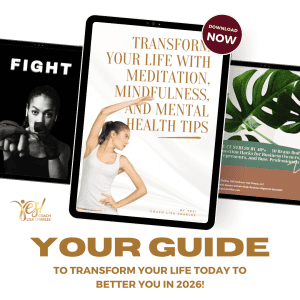
Your next chapter starts now. 💛
FOLLOW US ON:
Facebook
Pinterest
Instagram
LinkedIn

Plugin designed by RofiTech