


How to Organize Your Life: 55 Practical Tips and Strategies
Organizing my life has been a game changer, helping me feel more in control and less stressed. I discovered that small, practical changes can make a huge difference. With 55 practical tips and strategies, I have found ways to declutter my space, prioritize tasks, and establish routines that enhance my productivity.
I’ve learned that it’s not just about cleaning up my physical space; it’s also about managing my time and mental energy. Simple habits like planning my meals or setting aside time for reflection can create a more balanced life. By applying these strategies, I can stay focused on what truly matters and eliminate distractions.
This guide will provide you with actionable steps that can transform chaos into order. Whether you’re looking to improve your home environment or streamline your daily routine, there’s something here for everyone. Let’s dive in and explore these effective methods together.
To ready yourself for the new challenge take a moment to breathe!
 Credit: Deposit Photos
“Think of each breath as a vehicle to improve concentration and productivity, to enhance sleep and emotional stability, and to release harmful byproducts and toxins from your system.”
– Lisa Charles (Yes! Commit. Do. Live) –
Establishing Clear Goals
Setting clear goals is an important step in organizing my life. It allows me to focus on what truly matters. By defining specific targets, I can measure my progress and stay motivated.
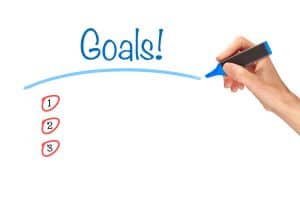 Credit: Deposit Photos
Setting SMART Objectives
I find it helpful to set SMART objectives. This means my goals should be Specific, Measurable, Achievable, Relevant, and Time-bound.
- Specific: I need to be clear about what I want to achieve. Instead of saying, “I want to get fit,” I can say, “I will exercise for 30 minutes, five days a week.”
- Measurable: I include criteria that let me track my progress. For example, I can log my workouts and see how my fitness improves over time.
- Achievable: My goals should be realistic. Setting a goal to run a marathon next month may not be wise if I’m just starting to run.
- Relevant: The goals I set must align with my values and long-term objectives. If I want to be healthier, then my fitness goals make sense.
- Time-bound: I set deadlines. For example, I might say, “I will run a 5K race in three months.” This creates a sense of urgency and accountability.
Defining Long-Term Aspirations
Long-term aspirations give me direction. These are broader goals that shape my future.
To define these, I reflect on what I truly desire in life. I ask myself questions like:
- What do I want?
- What moves me?
- What lays on the other side of my fear?
- What are my career ambitions?
- Where do I see myself in five or ten years?
- What experiences do I want to have?
Writing these aspirations down helps me visualize them. For example, I might aspire to own my own business one day. This long-term goal guides my decisions today, such as taking relevant courses or networking in my field.
Breaking Down Goals into Actionable Steps
I break down my goals into smaller, manageable steps. This makes them less overwhelming.
First, I start by identifying the main goal. Then, I break it into smaller tasks. For instance, if I want to write a book, my steps might include:
- Researching my topic: Dedicate two weeks to reading and gathering information.
- Creating an outline: Spend time structuring the chapters and content.
- Setting daily writing targets: Write 500 words a day.
By focusing on these steps, I can see progress and adjust my plan as needed. Regularly reviewing these steps keeps me on track and reinforces my commitment to achieving my goals.
Mastering Time Management
Effective time management is essential for staying organized and achieving my goals. By prioritizing tasks, utilizing calendars, and overcoming procrastination, I can enhance my productivity and create a better balance in my life.
 Credit: Deposit Photos
Prioritizing Tasks Effectively
To manage my time well, I focus on prioritizing tasks using methods like the Eisenhower Matrix. This tool helps me categorize tasks into four quadrants:
- Urgent and Important
- Important but Not Urgent
- Urgent but Not Important
- Neither Urgent nor Important
By identifying what truly matters, I can tackle high-priority items first. Another method I use is the 1-3-5 Rule. I plan to accomplish one big task, three medium tasks, and five small tasks each day. This approach makes my workload manageable and provides a clear path forward.
Utilizing Calendars and Planners
I rely heavily on both digital and physical planners to keep my schedule organized. Using Google Calendar or similar tools allows me to set reminders and block out time for specific tasks. I can visually see deadlines and adjust my schedule as needed.
Additionally, I create a weekly plan every Sunday. This includes:
- All appointments
- Major tasks for the week
- Personal commitments
By reviewing this plan daily, I can stay on track and make any necessary adjustments. A well-structured calendar acts as a roadmap, guiding my activities and improving my focus.
Overcoming Procrastination
To beat procrastination, I employ strategies that keep me motivated. One effective approach is the Pomodoro Technique. I work for 25 minutes, then take a 5-minute break. This breaks my tasks into manageable intervals and helps maintain my focus.
I also remind myself of the long-term benefits of completing tasks promptly. By visualizing the satisfaction of finishing a project, I find that I am more likely to start working instead of delaying. Staying accountable to myself, I often share my goals with a friend, which adds an extra layer of motivation.
Optimizing Your Space
Creating an organized environment can greatly enhance productivity and reduce stress. I focus on two main areas: decluttering my surroundings and organizing my physical spaces effectively.
 Credit: Deposit Photos
Decluttering Your Environment
Decluttering is a vital step in optimizing my space. It helps me identify items I truly need. I start by tackling one room or area at a time.
I often use the “Four-Box Method”:
- Keep: Items I use regularly.
- Donate: Things in good condition I no longer need.
- Trash: Broken or unusable items.
- Undecided: Items to re-evaluate later.
By sorting through my belongings, I can eliminate distractions and make my environment more inviting. I find it helpful to set a timer for 15-30 minutes. This keeps me focused and prevents overwhelm.
Organizing Physical Spaces
Once I’ve cleared out unnecessary items, I move on to organizing what remains. I like to categorize my belongings. This helps me find things quickly.
For organizing, I use:
- Shelves for books and decorative items.
- Baskets for storing smaller items like toys or office supplies.
- Drawer dividers to keep utensils and tools in order.
Labeling is important. I label containers and shelves to maintain organization. It saves time and ensures that I’m placing items back in their designated spots.
Creating zones in my space based on activity—like a reading nook or a home office area—can also improve functionality. This way, I can enjoy a more structured and efficient environment.
Financial Planning
Financial planning is essential for achieving my financial goals. It involves budgeting, managing debt, and understanding investments. Each part plays a crucial role in creating a stable financial future.
 Credit: Deposit Photos
Budgeting Essentials
Creating a budget is the first step in managing my finances. I track my income and expenses to see where my money goes each month. Here’s a simple breakdown for my budget:
- Fixed Expenses: Rent, utilities, insurance
- Variable Expenses: Groceries, entertainment, dining out
- Savings: Emergency fund, retirement accounts
I use budgeting tools or apps to simplify this process. Allocating 50% of my income for needs, 30% for wants, and 20% for savings is a common guideline. Regularly reviewing my budget helps me adjust to any changes in financial situations.
Managing Debt and Savings
I prioritize paying off high-interest debts first, such as credit cards. This approach minimizes the amount of interest I’ll pay over time. A simple strategy is the “avalanche method,” where I focus on debts with the highest rates.
I also work on building an emergency fund, aiming for three to six months’ worth of expenses. This cushion protects me from unexpected costs like medical bills or job loss. Automating my savings can help ensure I consistently put money aside each month.
Investment Basics
Understanding the basics of investing is key to growing my wealth. I begin by knowing my risk tolerance and investment goals. Common options include stocks, bonds, and mutual funds.
I focus on diversifying my investments to spread risk. A typical suggestion is to allocate 60% in stocks, 30% in bonds, and 10% in alternative investments. Regular contributions to retirement accounts, such as a 401(k) or IRA, can also enhance my long-term savings. Understanding market trends helps me make informed decisions.
Cultivating Healthy Habits
Building healthy habits is essential for a balanced life. I focus on fitness, nutrition, and mental health to support my overall well-being. Each of these areas plays a key role in my daily routine.
 Credit: Deposit Photos
Developing a Fitness Routine
To develop a fitness routine, I start by setting clear and achievable goals. I find it helpful to focus on specific activities that I enjoy. This can include walking, swimming, or cycling. I make a list of exercises and choose a few to try each week.
I schedule my workouts, treating them like important appointments. This helps me stay committed. I also track my progress in a journal. This allows me to celebrate small victories along the way.
It’s important to listen to my body and rest when needed. Consistency is key. Over time, I notice improvements in my energy levels and mood.
Eating for Wellness
Eating for wellness means choosing nutritious foods that fuel my body. I prioritize whole foods like fruits, vegetables, whole grains, and lean proteins. I often create a meal plan at the start of each week to stay organized.
I aim for a colorful plate to ensure I get a variety of nutrients. Meal prepping helps me avoid unhealthy choices when I’m busy. I also pay attention to portion sizes to avoid overeating.
Staying hydrated is another important aspect. I carry a water bottle with me to remind myself to drink throughout the day. Eating mindfully allows me to enjoy my meals and recognize when I’m full.
Prioritizing Mental Health
Prioritizing my mental health is just as important as physical health. I set aside time each day for self-care activities. This can range from reading a book to practicing mindfulness.
I also find journaling helpful. Writing down my thoughts and feelings helps me process experiences and reduce stress. Additionally, I make it a point to connect with friends and family. Meaningful conversations boost my mood and provide support.
Finally, I seek professional help when needed. Therapy or counseling can provide valuable insights and coping strategies. Taking care of my mental health is a lifelong commitment that significantly enhances my quality of life.
Building Strong Relationships
Building strong relationships is essential for personal fulfillment and professional success. I focus on effective communication and maintaining connections to foster deeper bonds with others.
 Credit: Deposit Photos
Fostering Effective Communication
Effective communication is the foundation of any strong relationship. I strive to be clear and honest in my interactions. This includes actively listening to others and responding thoughtfully.
- Here are some key practices I use:
- Listen actively: I focus on what the other person is saying without interrupting.
- Ask questions: This shows I care and want to understand their viewpoint.
- Use clear language: I avoid jargon to ensure my message is understood.
I also make it a point to express my feelings openly. Sharing my thoughts helps others feel connected and valued. By improving communication, I create an environment where everyone feels comfortable sharing.
Maintaining Personal and Professional Connections
Maintaining connections takes effort and intention. I prioritize regular check-ins with friends and colleagues. This helps to keep the relationship alive and shows I value them.
- Some strategies I apply include:
- Schedule regular meet-ups: I set reminders for coffee dates or virtual catch-ups.
- Send thoughtful messages: A simple text or email can show I’m thinking of them.
- Celebrate milestones: I remember birthdays and achievements, making my connections feel appreciated.
Building strong relationships requires consistent effort, but they are worthwhile. I find that these connections not only enhance my life but also benefit others
.
Leveraging Technology
I find that using technology can significantly enhance my organization and productivity. By using the right tools and practices, I can keep my life organized and secure.
 Credit: Deposit Photos
Using Apps for Productivity
Mobile and desktop apps are invaluable for managing tasks and schedules. Apps like Todoist and Trello allow me to create to-do lists and organize projects visually.
I often set reminders to ensure I stay on track. Calendar apps help me manage appointments and deadlines.
Here are a few key apps I recommend:
- Todoist: Great for task management and prioritizing.
- Trello: Excellent for visual project management.
- Google Calendar: Perfect for keeping track of events and deadlines.
These tools help me focus on what matters, boosting my efficiency significantly.
Digital Security Best Practices
Maintaining my digital security is crucial when I leverage technology. One effective method is to use strong, unique passwords for different accounts. A password manager can help me store and generate them securely.
Two-factor authentication (2FA) adds an extra layer of protection, making it harder for unauthorized users to access my accounts.
Regularly updating my devices also helps protect against security vulnerabilities. I make it a habit to back up important data, ensuring I don’t lose valuable information.
By following these practices, I can confidently use technology while keeping my information safe.
55 Practical Tips and Strategies for Better Productivity
Time Management & Planning
- Start your day with a clear to-do list.
- Use the Eisenhower Matrix to prioritize tasks.
- Set SMART goals (Specific, Measurable, Achievable, Relevant, Time-bound).
- Break large projects into smaller, manageable steps.
- Use the Pomodoro Technique (25-minute work sprints with short breaks).
- Plan your day the night before.
- Set time limits for each task to avoid perfectionism.
- Identify your peak productivity hours and tackle high-priority tasks then.
- Use a planner or productivity app to track progress.
- Schedule breaks to maintain focus and prevent burnout.
Focus & Avoiding Distractions
- Use the 80/20 Rule (Pareto Principle)—focus on the 20% of tasks that yield 80% of results.
- Work in a distraction-free environment (use noise-canceling headphones if needed).
- Disable unnecessary notifications on your phone and computer.
- Try monotasking instead of multitasking.
- Use website blockers to limit time on distracting sites.
- Set boundaries with coworkers, friends, and family during work hours.
- Declutter your workspace for a clear mind.
- Listen to focus-enhancing music or white noise.
- Work in 90-minute cycles, then rest for 20 minutes.
- Implement a “No-Meeting Day” each week to focus on deep work.
Work Efficiency & Optimization
- Use templates for repetitive tasks to save time.
- Automate routine tasks with tools like Zapier, Notion, or Todoist.
- Outsource or delegate tasks that don’t require your expertise.
- Keep emails concise—use the 2-minute rule (respond immediately if it takes less than 2 minutes).
- Batch similar tasks together (e.g., answering emails at a set time).
- Use keyboard shortcuts and productivity hacks for your software.
- Try speech-to-text tools for faster note-taking.
- Conduct a weekly productivity review to adjust strategies.
- Learn to say no to non-essential tasks.
- Keep a “Done” list to track achievements and stay motivated.
Mindset & Habits
- Start your day with a morning routine that sets the tone.
- Avoid checking your phone first thing in the morning.
- Develop a growth mindset—embrace challenges as learning opportunities.
- Practice mindfulness or meditation to improve concentration.
- Celebrate small wins to stay motivated.
- Use visualization techniques to maintain focus on long-term goals.
- Keep a gratitude journal to maintain a positive mindset.
- Identify and eliminate productivity killers (like excessive social media use).
- Develop a wind-down routine to ensure quality sleep.
- Adopt the 5-Second Rule—if a task takes less than 5 seconds to start, do it immediately.
Health & Energy Management
- Get 7–9 hours of quality sleep every night.
- Stay hydrated—drink plenty of water throughout the day.
- Eat a balanced diet to maintain energy levels.
- Exercise regularly to boost mental clarity and productivity.
- Take short movement breaks to avoid stiffness and fatigue.
- Use the 2-minute stretch rule—stand up and stretch every hour.
- Avoid excessive caffeine; opt for healthier energy boosters like green tea.
- Manage stress with deep breathing or relaxation exercises.
- Spend time in natural light to improve mood and focus.
- Take power naps (10–20 minutes) if needed.
Technology & Digital Productivity
- Use project management tools like Trello, Asana, or ClickUp.
- Set up automated reminders for deadlines and important tasks.
- Keep your inbox organized with folders and filters.
- Use cloud storage (Google Drive, OneDrive) for easy access to files.
- Set “Do Not Disturb” mode during deep work sessions.
Bonus Tip: Regularly evaluate your productivity habits and refine them as needed! 🚀
Would you like me to format this into a downloadable PDF or social media post? 😊
Continuous Learning and Development
Continuous learning is essential for personal and professional growth. I find that embracing new skills and knowledge can greatly enhance my life. Here are some practical tips to incorporate continuous learning into my routine:
- Set Learning Goals: Clearly define what I want to learn. This helps me stay focused and motivated.
- Use Online Resources: Websites like Affinity Learning offer great articles on integrating learning into daily life.
- Take Online Courses: Platforms like Coursera or Udemy provide a variety of courses. I can choose topics that interest me.
- Read Regularly: I make it a habit to read books, articles, and blogs. This keeps my mind engaged and informed.
- Join Study Groups: Learning with others can increase my motivation and expose me to different perspectives.
- Reflect on Learning: I take time to think about what I’ve learned. This helps solidify the new information in my mind.
By applying these strategies, I can create an environment where continuous learning thrives. It allows me to adapt to changes and seize new opportunities in my life. Each step I take brings me closer to reaching my personal and professional goals.
Frequently Asked Questions
In this section, I will address common questions about organizing your life. These answers can help clarify important points and guide you as you work toward a more organized lifestyle.
What are the first steps to take when organizing your life?
The first step I suggest is to assess your current situation. Take a look at your living space, schedule, and commitments. Write down areas where you feel overwhelmed. This will help you identify what needs the most attention.
What are some daily habits that can help maintain an organized life?
I find that implementing small daily habits can make a big difference. For example, I try to set aside a few minutes each day for tidying up. Additionally, creating a consistent routine for daily tasks can help keep things in order.
How can I categorize different aspects of my life for better organization?
Categorizing my life involves breaking it down into manageable sections. I like to use categories such as work, home, finances, and personal development. This makes it easier to focus on one area at a time.
Can organizing your life on paper be more effective than digital methods, and why?
I believe using paper can be beneficial for some people. Writing things down helps me remember important tasks. While digital methods are convenient, paper can create a physical connection to my goals and responsibilities.
What is a realistic timeframe to expect significant changes when organizing your life?
In my experience, noticeable changes can often take a few weeks to a couple of months. The key is to stay consistent with your efforts. Everyone’s pace is different, so it’s important to be patient with myself.
What professional organizing strategies can be adapted for personal use?
I have found that many strategies used by professional organizers can be useful for anyone. Techniques such as decluttering regularly, using storage solutions, and creating designated spaces for items can greatly improve personal organization.
📩 Stay Inspired Every Week! 📩
Subscribe to our weekly newsletter and be the first to get updates on our latest blog posts, personal growth tips, and empowering insights—straight to your inbox!
✨ Don’t miss out—Join us now! 👉 Subscribe Here
Join my private Facebook group, *Deep Sleep Tribe*, where we’ll explore effective solutions and support each other on our journey to peaceful slumber. Let’s capture those sweet dreams together! 🌌💖
👇 Click the link and say goodbye to restless nights!

👉Join HERE in our Deep Sleep Tribe!!!
FOLLOW US ON:
Facebook
Pinterest
Instagram
LinkedIn

Plugin designed by RofiTech




I’m really impressed together with your writing skills and also with
the layout for your blog. Is that this a paid subject matter or did you customize it yourself?
Anyway stay up the excellent high quality writing, it is uncommon to see a nice weblog like this one today..
Thank you!