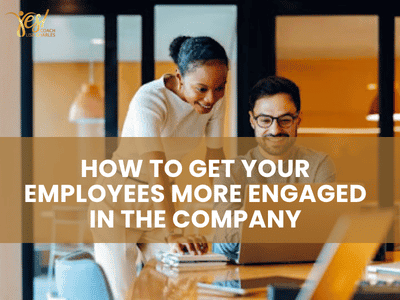
How to Get Your Employees More Engaged in the Company
Introducing our New Deep Sleep Reset System in Mighty Network
✨ We are officially launching Our Brand New Mighty Networks Community!
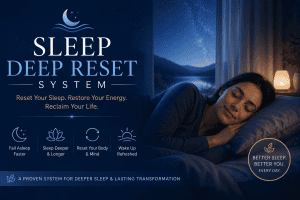
You deserve restful sleep and restored energy. Come reset with us inside our new Mighty Network Space.
Reset your sleep with support, structure, and exclusive resources — join our New Mighty Network Space now!
No more tired mornings. No more wired nights. Let’s fix your sleep together! Join the Challenge inside the group and have the benefits of more resources to support your deep sleep.
———————————————————————————————————————————————————————————————
Employee engagement is not driven by perks or policies alone; it is built through trust, clarity, communication, and intentional leadership. In this guide, you’ll learn how to create a workplace where people feel valued, supported, and deeply connected to their work. These strategies help leaders build stronger teams, improve performance, and foster long-term commitment.
Employee engagement is one of the most important drivers of organizational success.
When employees feel connected to their work, aligned with leadership, and supported in their growth, they bring more energy, creativity, accountability, and resilience into everything they do.
But engagement is often misunderstood.
Many organizations assume it comes from benefits, incentives, or surface-level initiatives. While those may help temporarily, they do not create long-term commitment.
True engagement is built from the inside out, through leadership behavior, emotional safety, shared purpose, and consistent communication.
It is not a program.
It is a culture.
And culture is created by leaders every single day.
 Credit: Deposit Photos
1. Build a Culture of Clear Purpose
Employees cannot stay engaged if they do not understand why their work matters.
Purpose is what transforms tasks into meaning.
Without it, employees often feel like they are simply executing instructions rather than contributing to something significant.
Leaders must consistently communicate the company mission in a way that connects to everyday responsibilities. This means translating strategy into clarity at every level of the organization.
When employees understand how their role contributes to the bigger picture, they begin to take ownership of outcomes rather than just completing tasks.
Purpose creates emotional connection and emotional connection drives engagement.
2. Strengthen Leadership Visibility and Trust
Leadership visibility is one of the strongest predictors of employee trust.
Employees want leaders who are present, consistent, and approachable—not distant or disconnected.
Trust is built when leaders communicate openly, especially during uncertainty. Silence or ambiguity often creates anxiety, while clarity creates stability.
Equally important is accountability.
When leaders acknowledge mistakes and take responsibility, they create a culture of psychological safety where employees feel safe to contribute ideas, speak honestly, and take initiative.
Trust is not built through perfection.
It is built through consistency and honesty.
3. Invest in Meaningful Communication
Communication is the foundation of engagement.
When communication is unclear, inconsistent, or one-sided, employees begin to feel disconnected from decisions and direction.
Effective communication provides clarity, reduces confusion, and supports performance.
However, communication is not just about sharing information, it is also about listening.
Employees need opportunities to share feedback, express concerns, and contribute ideas without fear of dismissal.
When employees feel heard, they feel valued.
And when they feel valued, they engage more deeply in their work.
4. Master Emotional Intelligence
In today’s business environment, technical skills alone are no longer enough. Emotional intelligence, the ability to recognize, understand, and effectively manage our own emotions while navigating relationships with others, is one of the strongest predictors of leadership effectiveness, team performance, employee engagement, and workplace culture. Organizations with emotionally intelligent leaders experience stronger communication, increased trust, improved collaboration, and greater resilience during times of change. As a certified wellness professional, speaker, and Ambassador for PUUR, I help organizations understand the powerful connection between emotional intelligence, co-regulation, and human performance. PUUR’s innovative approach provides practical tools to strengthen connection, reduce stress, and improve well-being across teams. If you would like to learn more about bringing Emotional Intelligence and PUUR to your organization, contact Lisa Charles and schedule a conversation directly through my calendar link. Together, we can help your leaders and teams thrive.
Take out my website and add in my calendar link. Give the banner of me being the Ambassador Door for PUUR. If they want them no more, they have to contact me.
5. Recognize and Reward Contributions
Recognition is one of the simplest and most powerful ways to increase engagement.
Employees want to know that their efforts matter.
A lack of recognition often leads to disengagement, even in high-performing teams.
Recognition does not need to be complex or expensive. In fact, simple and consistent acknowledgment is often more meaningful than formal reward systems.
A sincere thank-you, a public acknowledgment, or a message of appreciation can significantly boost morale and motivation.
The key is authenticity.
Employees can quickly sense when recognition is genuine versus performative.
When recognition is consistent and heartfelt, it reinforces positive behavior and strengthens emotional connection to the organization.
6. Create Opportunities for Growth and Development
People are more engaged when they can see a future for themselves within the organization.
Without growth, employees may begin to feel stagnant, unchallenged, or undervalued.
Growth does not always mean promotion.
It can also include skill development, mentorship, expanded responsibilities, or cross-functional projects.
Leaders should regularly discuss career goals with employees and help them identify pathways for progression and learning.
When employees feel they are growing, they stay invested in their work and more committed to organizational success.
7. Foster a Sense of Belonging
Belonging is a fundamental human need—and it plays a major role in engagement.
Employees want to feel respected, included, and valued as individuals, not just workers.
A strong sense of belonging is created through collaboration, respect for diverse perspectives, and psychological safety.
When employees feel safe to express themselves without fear of judgment, they contribute more openly and authentically.
Belonging also strengthens resilience.
Employees who feel connected to their team are more likely to stay committed during challenging times.
8. Empower Employees With Autonomy
Micromanagement is one of the fastest ways to reduce engagement.
Autonomy, on the other hand, builds confidence and ownership.
When employees are trusted to make decisions within clear expectations, they become more accountable and motivated.
They also become more innovative.
Empowered employees are more likely to take initiative, solve problems independently, and contribute new ideas that improve the organization.
Autonomy signals trust and trust strengthens engagement.
9. Align Engagement With Real Workplace Experiences
Engagement is not built through policies alone; it is built through lived experiences.
Employees remember how they feel during key moments: onboarding, team meetings, collaboration, conflict resolution, and change.
Leaders can strengthen engagement by intentionally designing positive shared experiences that reinforce company values.
This could include collaborative projects, retreats, workshops, or cross-team initiatives that bring people together in meaningful ways.
When employees share experiences, they build stronger emotional connections to each other and to the organization.
Those connections deepen engagement over time.
10. Support Employees During Change
Change is one of the biggest stressors in the workplace.
If not handled well, it can quickly reduce trust and engagement.
Employees need clarity, transparency, and support during transitions.
Leaders should communicate not only what is changing, but why it is changing and how it affects employees directly.
Support is equally important.
Providing guidance, resources, and reassurance helps employees adapt more effectively and reduces resistance.
When employees feel supported during change, they remain more stable, engaged, and confident.
11. Measure and Act on Engagement Data
You cannot improve what you do not measure.
Engagement surveys, feedback sessions, and performance insights help leaders understand how employees truly feel.
However, collecting data is not enough.
The real impact comes from acting on it.
Employees need to see that their feedback leads to meaningful change.
When leaders close the feedback loop—by communicating results and implementing improvements they build trust and credibility.
Over time, this creates a culture where employees feel safe to speak up and confident that their voices matter.
“Learning new things and keeping the mind engaged may be important keys to successful cognitive aging.
Lisa Charles – Commit. Do. Live
12. Encourage Collaboration Across Teams
Collaboration strengthens engagement by breaking down silos and building connection.
When employees only interact within their own teams, they may feel disconnected from the larger organization.
Cross-functional collaboration helps employees understand how different departments contribute to shared goals.
It also builds relationships, improves communication, and encourages innovation.
When people work together across boundaries, they develop a stronger sense of unity and shared purpose.
13. Build a Company People Believe In
At its core, employee engagement is emotional.
People do not stay engaged because of policies alone; they stay because they believe in the organization they are part of.
A company people believe in is one where they feel valued, trusted, supported, and inspired.
It is a place where leadership is intentional, communication is open, and growth is encouraged.
When leaders consistently invest in purpose, trust, and human connection, they create a culture where engagement thrives naturally.
 Credit: Deposit Photos
Frequently Asked Questions
1. How can leaders improve employee engagement effectively?
By focusing on purpose, communication, trust, autonomy, and consistent recognition.
2. What is the biggest driver of engagement?
Purpose and leadership trust are the strongest long-term drivers of engagement.
3. How do you maintain engagement during organizational change?
Through transparency, clear communication, emotional support, and consistent leadership presence.
What if the very thing stalling your business…
is the story you haven’t fully owned yet?
We explored how hesitation, lack of clarity, and misalignment can quietly limit your impact. One of the most overlooked risks? Not fully stepping into your voice, your message, and your lived experience as a leader.
That’s where “Story to Spine” comes in.

This coach-led experience is designed to help you extract the truth from your life story and transform it into a mission-led book and keynote, without staring at a blank page.
Because this isn’t just about writing. It’s about unlocking clarity, confidence, and direction so you can lead, speak, and grow your business from a place of deep alignment.
Your story isn’t a side note; it’s your leadership advantage.
Your story is already the spine. Let’s find it.
If you’re ready to move beyond the risks and lead with clarity, you can learn more and apply for the Premier Program Pilot this April by filling out the form below.
Ready to invest in yourself and finally take control of your health, mindset, and daily habits?
My collection of eBooks is designed to guide you step-by-step toward a stronger, more confident, and energized version of YOU. Whether you’re starting fresh or leveling up your routine, these resources are practical, empowering, and created to fit real life—not perfection.
Don’t just wish for change, take action today. Explore the full collection and find the guide that speaks to your goals.
👉 Start your transformation here: https://yescoachlisa.com/product-category/e-books/

Your next chapter starts now. 💛
FOLLOW US ON:
Facebook
Pinterest
Instagram
LinkedIn

Plugin designed by RofiTech