


10 Meditation Practices That Will Soothe the Soul
Meditation has the power to transform our minds and hearts. With the right techniques, I have found that it can provide a deep sense of peace and tranquility. In this blog post, I will share ten meditation practices that will soothe your soul and help you find inner calm.
Each technique I will discuss is designed to meet different needs and preferences. Whether you are looking for a short break from stress or a way to deepen your self-awareness, there is something here for you. These meditations can be easily integrated into daily life, making it easier to embrace mindfulness.
As I explore these methods, I encourage you to find the one that resonates most with you. By trying them out, you may discover a renewed connection with yourself and the world around you.
 Credit: Unsplash Images
“Breath of life given to us by God Almighty can be a gateway to healing the restless mind and stressed body. Just Breathe.”
-Yes! Coach Lisa Charles-
The Essence of Meditation
Meditation is a powerful tool that can bring peace and clarity to the mind and soul. It allows me to create a deeper connection with my inner self and find stillness amidst life’s chaos. Exploring its essence reveals how it can shape my overall well-being.
 Credit: Unsplash Images
Understanding Mindfulness
Mindfulness is the practice of being fully present in the moment, paying attention to thoughts and feelings without judgment. When I engage in mindfulness meditation, I focus on my breath and bodily sensations. This helps me notice distracting thoughts without getting lost in them.
Practicing mindfulness can reduce stress and increase awareness. It allows me to appreciate simple moments in life. I learn to respond rather than react, creating a sense of calm that eases daily challenges.
Benefits of Meditation for the Soul
Meditation nourishes the soul in many ways. It encourages inner peace, providing a refuge from the noise of the outside world. I often find that just a few minutes of meditation helps me reconnect with my deeper self.
Some specific benefits include:
- Emotional balance: It helps in processing emotions and coping better with life’s ups and downs.
- Clarity of thought: Regular practice sharpens my focus and decision-making skills.
- Spiritual growth: I feel a sense of connectedness, opening me to new insights.
By nurturing these aspects, meditation supports my overall well-being and helps me navigate life with greater ease.
Preparation for Meditation
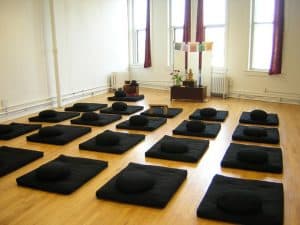
Before I start meditating, I find it essential to create the right atmosphere. This preparation sets the stage for a calming and effective session. I focus on both my environment and the supplies I need to enhance the experience.
 Credit: Unsplash Images
Creating a Conducive Environment
I make sure my meditation space is quiet and free from distractions. Choosing a specific area in my home helps signal to my mind that it’s time to unwind. I often use comfortable seating, like a cushion or chair, to support good posture.
Lighting also plays a vital role. I prefer soft lighting or candles to create a soothing ambiance. Adding elements like plants or calming artwork can help me feel more relaxed. It’s also essential to control the temperature, so I feel comfortable throughout my practice.
A pleasant scent can enhance the mood, so I sometimes use essential oils or incense. I aim for a space that feels welcoming and peaceful, allowing my mind to settle before diving into meditation.
Essential Meditation Supplies
While I can meditate without any tools, having certain supplies can enrich the experience. I find that playing soft music or guided meditations helps me focus. My favorite headphones block outside noise and improve sound quality.
I also keep a journal nearby to jot down thoughts or feelings before and after my session. This practice helps clear my mind and makes it easier to enter a meditative state.
Lastly, I sometimes use a meditation timer. This allows me to relax without worrying about the time. These simple supplies make my meditation feel more complete and tailored to my needs.
Breathing Techniques
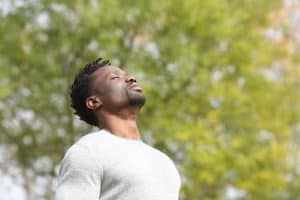
Breathing techniques play a significant role in meditation. They help calm the mind and body, creating a more peaceful state. Here are two effective methods to enhance your practice.
 Credit: Unsplash Images
Diaphragmatic Breathing
Diaphragmatic breathing is a powerful technique that engages the diaphragm fully. This method allows more air to enter your lungs and promotes relaxation.
To practice, I find a comfortable position, either sitting or lying down. I place one hand on my chest and the other on my belly.
- Inhale deeply through my nose for about four counts. I focus on expanding my belly, not my chest.
- Hold the breath for a moment.
- Exhale slowly through my mouth for six counts, feeling my belly fall.
I repeat this process for 5-10 minutes. This technique reduces stress and increases oxygen flow, making it easier to focus during meditation.
Rhythmic Breath Control
Rhythmic breath control involves establishing a consistent breathing pattern with a specific count. This method can enhance relaxation and improve focus.
I often use a simple 4-4-4 pattern:
- Inhale through my nose for 4 counts.
- Hold the breath for 4 counts.
- Exhale through my mouth for 4 counts.
I repeat this cycle for several minutes. As I practice, I aim to connect each phase of breathing smoothly.
This technique can help calm racing thoughts and anchor me in the present moment. By focusing on a rhythm, I create a peaceful space that supports my meditation journey.
Mindfulness Practices
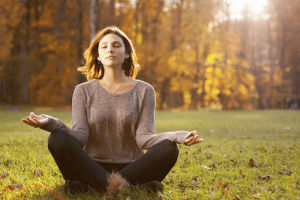
Mindfulness practices help me connect with my body and the present moment. They are effective in reducing stress and promoting a sense of calm. Among various techniques, I find Body Scan Meditation and Walking Meditation particularly beneficial.
 Credit: Unsplash Images
Body Scan Meditation
Body Scan Meditation allows me to become aware of different parts of my body. I usually start by lying down in a comfortable position. I close my eyes and take a few deep breaths to relax.
Next, I focus my attention on my feet. I feel any sensations, warmth, or tension there. Slowly, I move my focus up through my legs, torso, arms, and finally to my head. Each pause lets me acknowledge what I feel without judgment.
This practice often brings a sense of relief. It helps me release tension and promotes relaxation. I find it especially useful after a long day. With consistent practice, I notice how it increases my overall awareness and emotional well-being.
Walking Meditation
Walking Meditation is another practice I enjoy. It combines mindfulness with movement. I typically choose a quiet space, like a garden or an empty room, for this practice.
I start by standing still for a moment, feeling my feet on the ground. Then, I take a slow step forward, paying attention to my foot lifting, moving through the air, and then touching the ground.
As I walk, I focus on my breath and the sensations in my body. This practice keeps me grounded. I find that it allows me to engage with my surroundings in a new way.
Walking Meditation also helps in clearing my mind. It’s a refreshing option when I feel restless or overwhelmed. I enjoy integrating this into my daily routine for balance and clarity.
Guided Visualizations
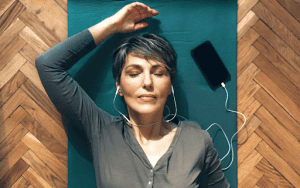
Guided visualizations are a powerful meditation tool that helps soothe the mind and spirit. By using imagery and imagination, I can create scenes that promote relaxation and healing. Two popular types of visualizations are Healing Light Visualization and Nature Immersion.
 Credit: Unsplash Images
Healing Light Visualization
In this practice, I imagine a radiant light enveloping my body. This light represents healing energy. I visualize it flowing through me, washing away stress and tension.
Starting at the top of my head, I picture the light gently spreading down to my toes. With each breath, I focus on the warmth and comfort it brings.
As I breathe out, I let go of negative thoughts and feelings. I can feel the light clearing away worries, leaving me feeling lighter and more peaceful. This visualization can be done in a quiet place, making it easier to connect with my inner self.
Nature Immersion
This visualization takes me on a peaceful journey into nature. I picture myself walking through a lush forest filled with tall trees and vibrant flowers. The sounds of chirping birds and rustling leaves surround me.
I take a deep breath, inhaling the fresh, clean air. Each breath makes me feel more connected to the earth. I can hear the gentle flow of a nearby stream, which adds to my sense of calm.
As I explore this natural setting, I focus on the colors and scents around me. I let the beauty of nature wash over me, providing a sense of tranquility. This practice helps me feel grounded and rejuvenated.
Mantra and Affirmation
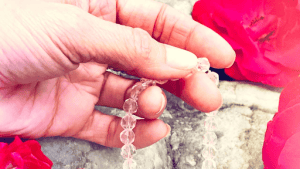
I find mantras and affirmations to be powerful tools for personal growth and healing. They help to center the mind and affirm positive beliefs. By using the right words, I can create a strong connection to my intentions and improve my overall well-being.
 Credit: Unsplash Images
Choosing a Personal Mantra
When selecting a personal mantra, I focus on words or phrases that resonate deeply with me. It should be something simple and meaningful, such as “I am enough” or “I embrace joy.”
I encourage you to:
- Reflect on your intentions or desires.
- Consider what areas of your life you want to improve, like confidence or peace.
- Write down a few options and choose the one that feels best.
Repeating my chosen mantra daily during meditation or quiet moments helps to reinforce its power in my life.
Positive Affirmations for Self-Esteem
To boost my self-esteem, I use specific positive affirmations. These affirmations challenge negative thoughts and remind me of my worth. Effective examples include:
- “I am worthy of love and respect.”
- “I believe in my abilities.”
- “I am capable of achieving great things.”
I often repeat these phrases in front of a mirror. This practice helps me to internalize them. It’s important that the affirmations feel genuine and true to me.
By regularly incorporating these affirmations into my routine, I notice a shift in my confidence and self-perception.
Meditation for Emotional Healing
Meditation offers powerful tools for working through emotional pain. By acknowledging feelings and practicing forgiveness, I can create space for healing and peace.
 Credit: Unsplash Images
Acknowledging and Releasing Emotions
In my practice, I focus on the importance of acknowledging my emotions. It’s vital to recognize what I feel without judgment. This helps me avoid burying feelings, which can lead to more distress.
During meditation, I take slow, deep breaths to center myself. As I breathe in, I invite my feelings to surface. I visualize them as colors or shapes. When I breathe out, I imagine releasing these feelings into the air.
This technique helps me process emotions like sadness or anger. It’s a way to let go of what no longer serves me. I find that this practice fosters a sense of relief and lightness.
Forgiveness and Letting Go
Forgiveness is another essential aspect of my emotional healing process. Holding onto grudges only weighs me down. In meditation, I create a space for forgiveness.
I often visualize the person I need to forgive. I recognize the hurt they caused, but I choose to let it go. I tell myself, “I release this pain for my own peace.”
This practice doesn’t mean I forget, but it allows me to move forward. I also reflect on self-forgiveness. I acknowledge my own mistakes and remind myself that it’s okay to be human. This dual focus on forgiving others and myself leads to greater emotional healing and peace.
Integrating Meditation into Daily Life
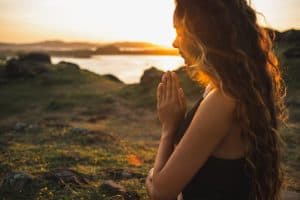
Finding ways to integrate meditation into my daily routine makes it easier to benefit from its calming effects. I can fit small practices into my busy life, enhancing both my well-being and productivity.
 Credit: Unsplash Images
Short Mindfulness Exercises
Incorporating short mindfulness exercises into my day helps me remain present. I can practice these techniques anytime, whether at home or work. Here are a few examples:
- Breath Awareness: I take a moment to focus on my breath. Inhale deeply and exhale slowly. This helps calm my mind and reduce stress.
- Body Scan: I briefly check in with each part of my body. This awareness keeps me grounded and releases tension.
- Mindful Walking: During a short walk, I pay attention to each step. I notice how my feet touch the ground and the rhythm of my movement.
These exercises require only a few minutes but create a peaceful mindset throughout the day.
Meditation and Productivity
Meditation can enhance my productivity when integrated into my work routine. Taking short breaks for meditation refreshes my mind. Here are effective ways to combine meditation with work:
- Set Reminders: I use reminders on my computer to take a quick meditation break. Even just one minute can make a difference.
- Use Meditation Apps: I find apps like Insight Timer or Simple Habit helpful. These provide short meditations that fit into my busy schedule.
- Mindful Transitions: When switching tasks, I pause for a moment to breathe and center myself. This helps me refocus before starting something new.
By weaving meditation into my daily tasks, I create a balanced approach to manage stress and enhance focus.
Cultural Perspectives on Meditation
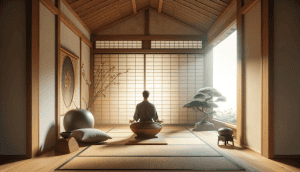
Meditation is practiced worldwide, and its techniques vary by culture. These differences shape how people experience and understand mindfulness. I will explore the contrast between Eastern and Western approaches and provide examples of global meditation practices.
 Credit: Unsplash Images
Eastern vs. Western Approaches
Eastern meditation often focuses on spiritual development and inner peace. In traditions like Buddhism and Hinduism, practices include mindfulness and mantra repetition. The goal is to connect with a deeper sense of self and the universe.
In contrast, Western approaches typically emphasize relaxation and stress relief. Techniques often incorporate elements from psychology, such as guided imagery and visualization. Here, meditation is frequently seen as a tool for mental well-being rather than a spiritual journey.
Global Meditation Practices
Many cultures have unique meditation methods that reflect their values and beliefs. For instance, Sufi meditation incorporates whirling dances to foster spiritual connection. This practice, known as Sema, symbolizes the soul’s journey towards the divine.
In African traditions, meditation emphasizes community and rhythm. These practices often involve group gatherings that enhance social bonds and cultural heritage.
Indian meditation, with roots over 3,000 years old, includes techniques like yoga and breath control. These methods promote physical health alongside spiritual growth.
Each of these traditions showcases how diverse cultures influence meditation, enriching the experience for practitioners.
Frequently Asked Questions
In this section, I address common questions about meditation techniques, their benefits, and practices that can enhance mental and emotional well-being. Understanding these aspects can help in choosing the right approach for individual needs.
What are some effective meditation techniques for beginners?
For beginners, I recommend starting with simple techniques such as focused breathing, body scan, and mindful observation. These methods are easy to learn and require no special equipment. They help in developing concentration and awareness.
How can daily meditation improve mental and emotional well-being?
Daily meditation can enhance mental clarity and reduce anxiety. By practicing regularly, I notice a decrease in stress levels and an increase in emotional resilience. It creates a sense of calm and promotes a positive outlook on life.
Which guided meditations are recommended for stress relief?
Guided meditations that focus on relaxation and mindfulness are particularly effective for stress relief. I find that sessions lasting around 10 to 20 minutes work well. Apps and online platforms often feature these meditations, making them easy to access.
Can regular short-duration meditations be beneficial, and if so, how?
Yes, I believe that even short meditations, such as 5 to 10 minutes, can be very beneficial. These sessions help to clear my mind and reset my focus throughout the day. Regular practice, even for a brief period, can lead to lasting benefits.
What types of meditation are best suited for promoting quality sleep?
For promoting quality sleep, I recommend practices like guided sleep meditations and progressive muscle relaxation. These techniques calm the mind and prepare the body for rest, making it easier to fall asleep and stay asleep.
Are there any meditation practices known to be particularly powerful for healing?
Certain meditative practices, such as loving-kindness meditation and visualization, are known for their healing effects. I have found that these methods can foster emotional healing and support physical recovery by reducing stress and improving overall well-being.
📩 Stay Inspired Every Week! 📩
Subscribe to our weekly newsletter and be the first to get updates on our latest blog posts, personal growth tips, and empowering insights—straight to your inbox!
✨ Don’t miss out—Join us now! 👉 Subscribe Here
Join my private Facebook group, *Deep Sleep Tribe*, where we’ll explore effective solutions and support each other on our journey to peaceful slumber. Let’s capture those sweet dreams together! 🌌💖
👇 Click the link and say goodbye to restless nights!

👉Join HERE in our Deep Sleep Tribe!!!
FOLLOW US ON:
Facebook
Pinterest
Instagram
LinkedIn

Plugin designed by RofiTech






Wow, great article.Much thanks again. Fantastic.